
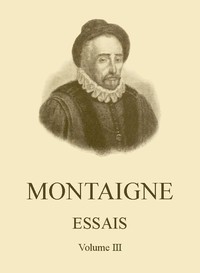
Essais de Montaigne (self-édition) - Volume III by Michel de Montaigne
Okay, let's be clear: there's no 'plot' here in the usual sense. Montaigne's Essays are the original blog posts, written 400 years ago. In this third and final volume, the author is older, perhaps a bit more reflective, but no less curious. He simply picks a topic—like vanity, repentance, or experience—and then just... thinks about it on the page. He jumps from a personal story about his kidney stones to a quote from ancient Rome, then to an observation about the people he met on his travels. It's a glorious, meandering stream of consciousness. The 'story' is the journey of his mind as he explores what it means to be human.
Why You Should Read It
I'll be honest: I picked this up thinking it would be a chore. It was the opposite. Montaigne feels like a friend. He's not trying to impress you with big words or perfect theories. He's deeply honest about his flaws and fears. Reading him, you realize that the big struggles—dealing with loss, facing the unknown, trying to be a good person—haven't changed much since the 1500s. His secret weapon is doubt. He constantly questions popular beliefs and his own first reactions. This book taught me to be gentler with myself and more curious about others. It’s wisdom that feels earned, not preached.
Final Verdict
This is for the thoughtful reader, not the person looking for a fast-paced thriller. It's perfect for anyone who enjoys philosophy but hates stuffy academic writing, for fans of personal memoirs and podcasts, or for someone feeling a bit lost who needs a calm, intelligent voice to talk things through with. It's also a great book to dip in and out of—read an essay or two at a time. Don't rush. Let his ideas simmer. You might just find, as I did, that a French nobleman from the Renaissance becomes one of the most relatable voices on your shelf.
This is a copyright-free edition. Access is open to everyone around the world.
Elijah Young
1 year agoVery helpful, thanks.
Amanda Harris
1 year agoHonestly, the character development leaves a lasting impact. Absolutely essential reading.
Lucas Anderson
1 year agoA bit long but worth it.
Emily Anderson
10 months agoI had low expectations initially, however the flow of the text seems very fluid. Exceeded all my expectations.