
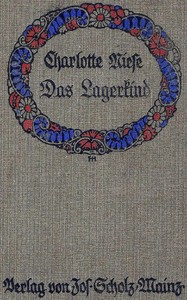
Das Lagerkind : Geschichte aus dem deutschen Krieg by Charlotte Niese
Charlotte Niese's Das Lagerkind (The Camp Child) pulls you into a world that feels both claustrophobic and strangely complete. Published in 1906 but set during the Franco-Prussian War of 1870-71, it tells the story through the eyes of those often left out of history books.
The Story
The novel follows Anna, a young girl whose life begins within the fences of a German prisoner-of-war camp holding French soldiers. Her mother is a local woman, and her father is a French prisoner. Anna's entire universe is the camp—its routines, its tensions, and the unlikely community that forms between captors and captives. She plays with the children of guards and learns snippets of French from the prisoners. To her, this isn't a place of suffering; it's simply home. The central drama unfolds as the war concludes. The camp is scheduled to be disbanded. Anna, now a child caught between two nations officially at peace but culturally divided, faces an impossible future. Where does she go? Who does she belong to? The story becomes a quiet search for identity and belonging in the wreckage left by conflict.
Why You Should Read It
What grabbed me was how Niese makes the political deeply personal. We're not debating treaties; we're watching a child try to understand why her world is being torn apart. Anna is an innocent lens on a brutal period, and her confusion becomes our own. The characters around her—the weary soldiers, the pragmatic camp commander, her troubled mother—are sketched with compassion, avoiding simple heroes or villains. Niese, writing in the early 20th century, had a clear-eyed view of war's lingering scars, especially on women and children. The book feels less like a patriotic tale and more like a plea to remember the human beings caught in the gears of history.
Final Verdict
This is a perfect pick for readers who love historical fiction that focuses on intimate stories over epic battles. If you enjoyed the civilian perspectives in books like All the Light We Cannot See or the moral complexity of The Book Thief, you'll find a similar spirit here. It's also a fascinating read for anyone interested in German literature from this era, offering a nuanced, female-authored perspective on national identity and conflict. Fair warning: it's a contemplative, character-driven novel, not a fast-paced thriller. But if you let yourself sink into Anna's small world, you'll be rewarded with a story that sticks with you, a gentle reminder of where the true cost of war is often paid.
This masterpiece is free from copyright limitations. You do not need permission to reproduce this work.
Daniel Smith
1 year agoText is crisp, making it easy to focus.






Karen Hill
1 year agoHaving read this twice, the clarity of the writing makes this accessible. I learned so much from this.